Roof repairs and leak fixes
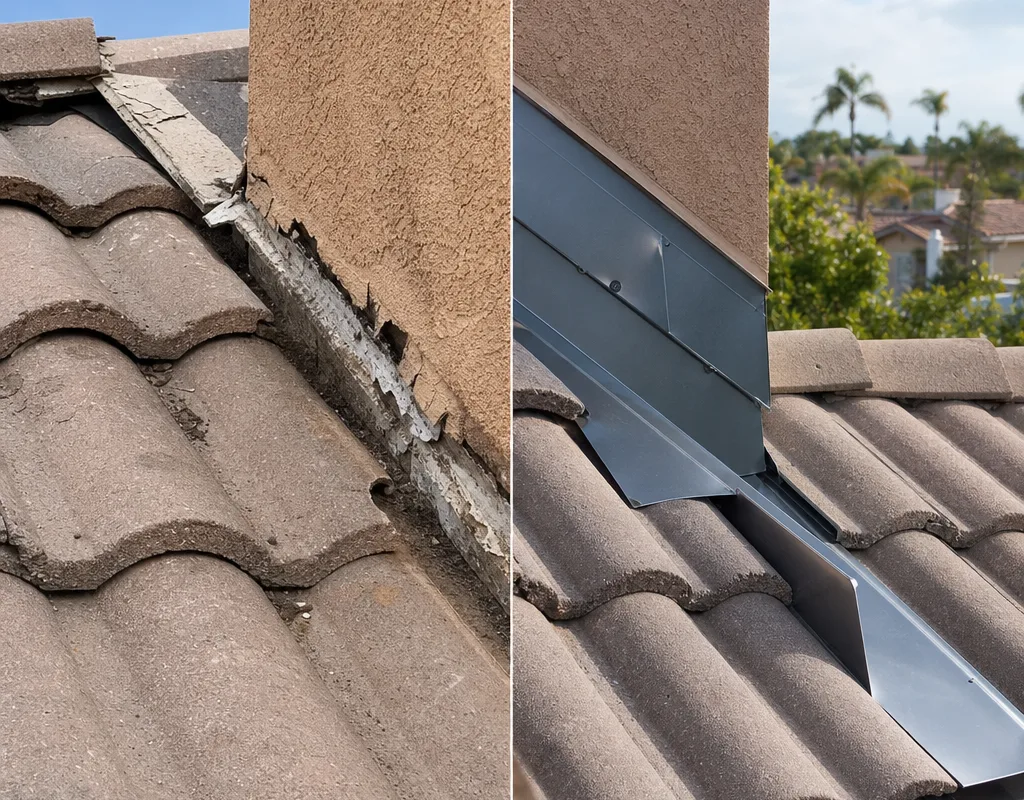
Pinpointing the source matters more than patching the symptom. We focus on penetrations, flashing lines, valleys, and underlayment transitions, then repair with materials compatible with your existing roof.
Serving San Diego, California & surrounding areas
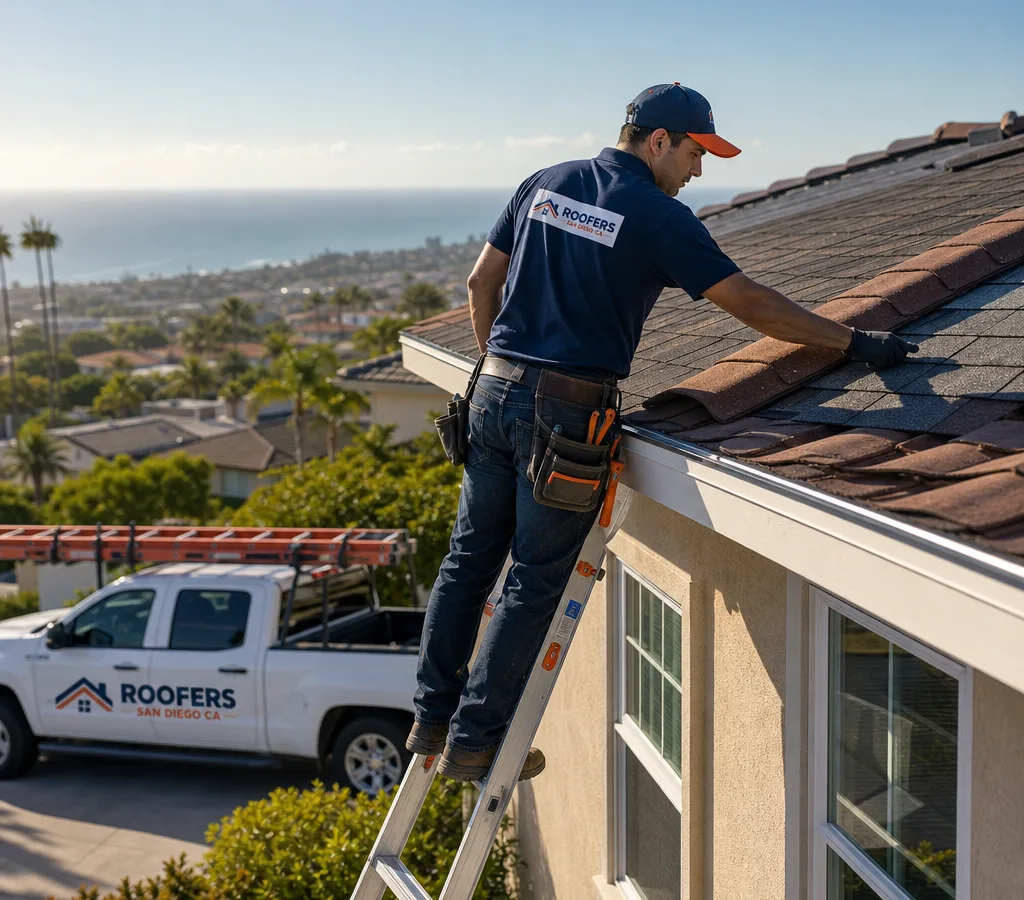
Repairs and replacements for homes
Get a clear inspection, straight answers, and a written scope for repairs or replacement, tailored to San Diego's sun, salt air, and occasional heavy winter rain.
Residential roof planning
If you're looking for residential roofing in San Diego, you're probably dealing with one of three things: a leak that needs fast diagnosing, an aging roof that is starting to fail, or a home purchase where you need an honest condition report. Roofers San Diego CA handles the full range of residential roofing in San Diego, from targeted repairs to full tear-offs and replacements, with an inspection-first approach so you know what is actually needed.
Local roofs take a specific kind of beating. Strong UV can dry out and crack asphalt shingles and underlayment over time. Coastal salt air can speed up corrosion on exposed metal and fasteners. Then when a storm does roll through, weaknesses show up quickly around valleys, pipe penetrations, skylights, and roof-to-wall transitions. Our job is to find the true entry point, confirm the condition of the system—not just the visible surface—and recommend work that makes sense for your home and budget.
We work across the city, including coastal homes where corrosion resistance matters, canyon-adjacent neighborhoods where wind-driven rain can push water uphill at flashing points, and areas with older housing stock where layers of past repairs can hide the real problem. If you want to get to the bottom of a roof issue without guesswork, start with a professional roof inspection and a written scope.
Complete roof-system scope
Residential roofing is the whole roof system, not only the top layer you see from the street. A proper scope usually includes:
Choosing materials and details is often about long-term durability in heat and salt air. We'll walk you through practical options for your roof type, then document exactly what is included so you can compare quotes fairly.
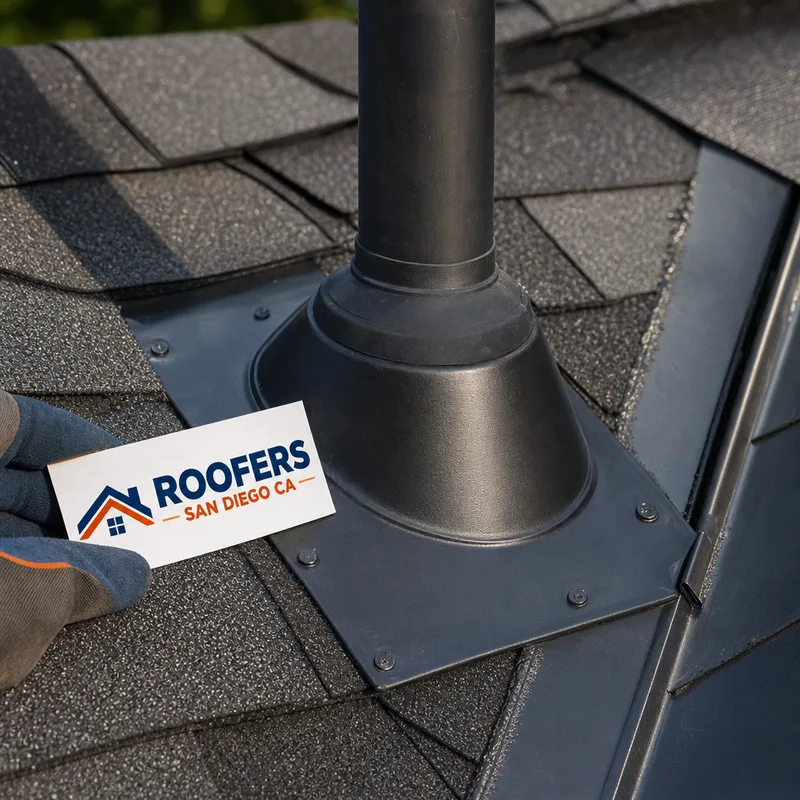
If you are evaluating a contractor now, a quick way to screen for quality is to see how they explain flashing and penetrations. Roof failures usually start at the details, not the field of the roof.
Residential capabilities
Pinpointing the source matters more than patching the symptom. We focus on penetrations, flashing lines, valleys, and underlayment transitions, then repair with materials compatible with your existing roof.
When a roof is at the end of its service life, replacement is usually the most cost-effective path. We plan tear-off, deck review, waterproofing layers, ventilation, and clean finish work at edges and penetrations.
If you need to decide whether to repair, maintain, or replace, an inspection with photos and a written scope helps you prioritize. This is also useful for real estate timelines and insurance documentation.
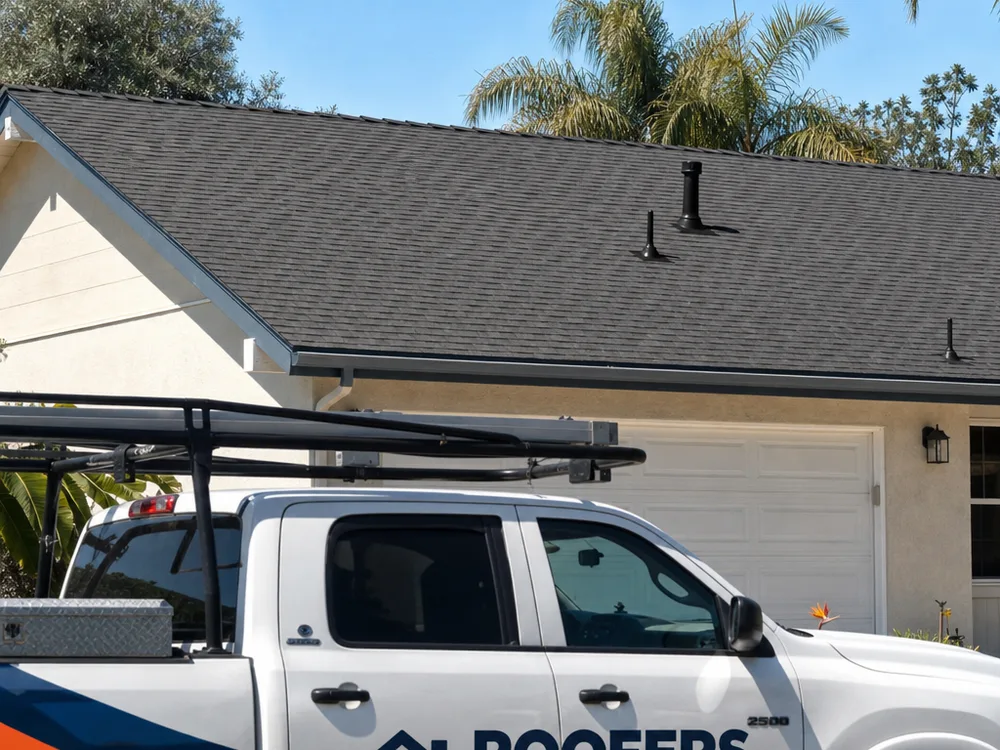
Local homes use a mix of clay or concrete tile, composition shingles, and low-slope roof areas. We match the approach to the system because tile and low-slope details differ from shingle details.
Even in a mild climate, heavy rain can exploit small defects fast. We look for water tracking at walls, skylights, and roof-to-wall points that can leak only during certain wind directions.
Small issues become expensive when ignored. Resealing select penetrations, correcting minor flashing defects, and replacing broken tiles or damaged shingles can extend roof life when the structure is still sound.
Planning your project
Residential roofing typically runs about $350 to $1,500 for many repair projects, while a full roof replacement commonly ranges from $9,000 to $30,000+ depending on size, pitch, roof type—shingle versus tile—and tear-off needs.
Your final price changes most with roof square footage, number of layers to remove, decking repairs, the amount of flashing and detail work, access such as steep slopes and limited driveway staging, and material choice. The most accurate number comes after an on-site inspection so the scope reflects real conditions.
Inspection to completion
01
Tell us what you are seeing: active leak, stains, missing tiles or shingles, sagging areas, or just an aging roof. We also ask about access, prior repairs, and any timelines you're working under.
02
We inspect the roof surface and the critical details—valleys, penetrations, edges, and transitions. When needed, we also look for attic-side clues to confirm the water path and rule out condensation or plumbing issues.
03
You get a clear description of what will be repaired or replaced, what materials are included, and any exclusions. When there's more than one sensible approach, we price options so you can choose confidently.
04
We plan staging, material delivery, protection for landscaping, and debris control. If your neighborhood has tight parking or shared driveways, we coordinate to keep access workable.
05
After the work is complete, we review the finished areas with you, confirm water-shedding details are correct, and leave the site clean. You'll know what was done and what to watch for in the future.
Common questions
If the roof structure is sound and the problem is isolated to flashing, penetrations, or a small damaged area, a repair is often the right move. Replacement becomes more likely when there are widespread failures, repeated leaks in different locations, brittle or deteriorated roofing materials, or underlayment issues that can't be addressed in sections—common under tile when the waterproofing layer has aged out. An inspection with photos is the fastest way to confirm which category your roof is in.
Most leaks start at details: valleys, pipe penetrations, skylights, and roof-to-wall transitions where water concentrates or wind pushes it sideways. In coastal areas, corrosion at exposed metal can also contribute over time, which is why we pay close attention to flashings, fasteners, and metal edges.
Yes, many tile roof issues can be repaired without a full replacement, but it depends on what failed. Broken or slipped tiles are often straightforward; the bigger question is the underlayment and flashing beneath the tiles because that is the waterproofing system. If the underlayment is worn out across large areas, spot repairs may not hold up, and we will tell you that before any work starts.
Many residential roof replacements take 2 to 5 days on site, but the schedule depends on roof size, pitch, material type, and whether decking repairs are discovered after tear-off. Weather is usually cooperative, but even a short rain window can affect timing because waterproofing layers and flashing work must be done correctly, not rushed.
A useful estimate lists tear-off scope, disposal, decking repairs and how they are priced if discovered, underlayment type, flashing replacement details, ventilation changes if any, and how penetrations like plumbing vents will be handled. If two quotes are far apart, it is often because one includes full flashing and waterproofing detail work and the other leaves it vague.
Yes. Roofers San Diego CA serves homeowners across the region, and we plan the job around real constraints like narrow access, limited staging space, and multi-level homes. If you are comparing contractors, start with roofing contractors in San Diego, CA who can provide an inspection-backed scope tailored to your roof type.
Schedule an inspection
Tell us what you're seeing and what type of roof you have, and we'll schedule an inspection and provide a written scope for the right home roofing work.