Leak source tracing (not guesswork)
We start with the most likely entry points, then verify with roof-surface clues and interior evidence such as staining patterns and attic moisture.
Serving San Diego, California & surrounding areas
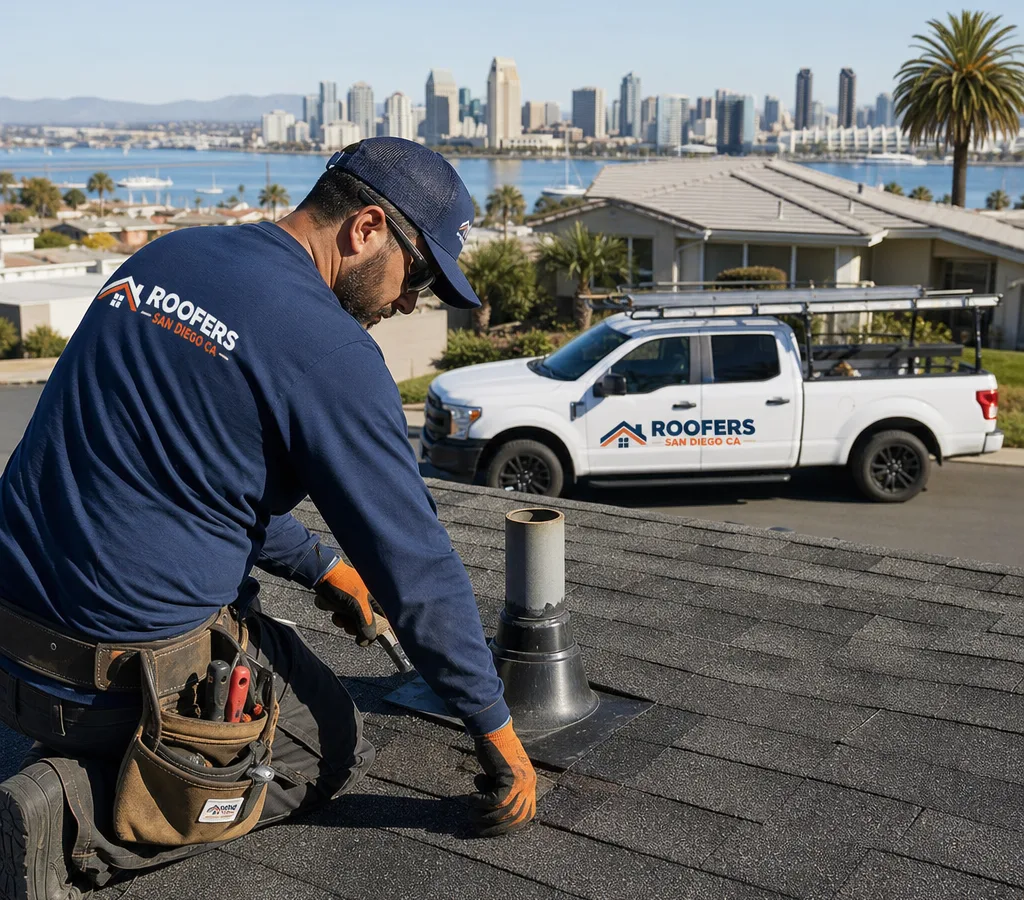
Leaks, flashing, storm damage
Stop leaks fast, fix storm and wear damage correctly, and get a clear written scope before any work starts.
Durable local repairs
If you are searching for san diego roof repair, you probably want two things: the leak stopped quickly and the fix done in a way that does not turn into another problem next season. Roofers San Diego CA repairs asphalt shingle and flat/low-slope residential roofs across San Diego, with a focus on finding the real entry point, repairing the roof system—not just the symptom—and documenting what was done.
San Diego roofs take a different kind of beating than many places. UV exposure breaks down shingles and sealants over time, afternoon winds can lift edges and loosen flashing, and coastal neighborhoods deal with salt air that can accelerate corrosion on exposed metal. A durable repair means matching materials correctly, sealing and fastening to manufacturer standards where applicable, and making sure water is directed onto the roof covering and into the gutter path instead of behind flashing.
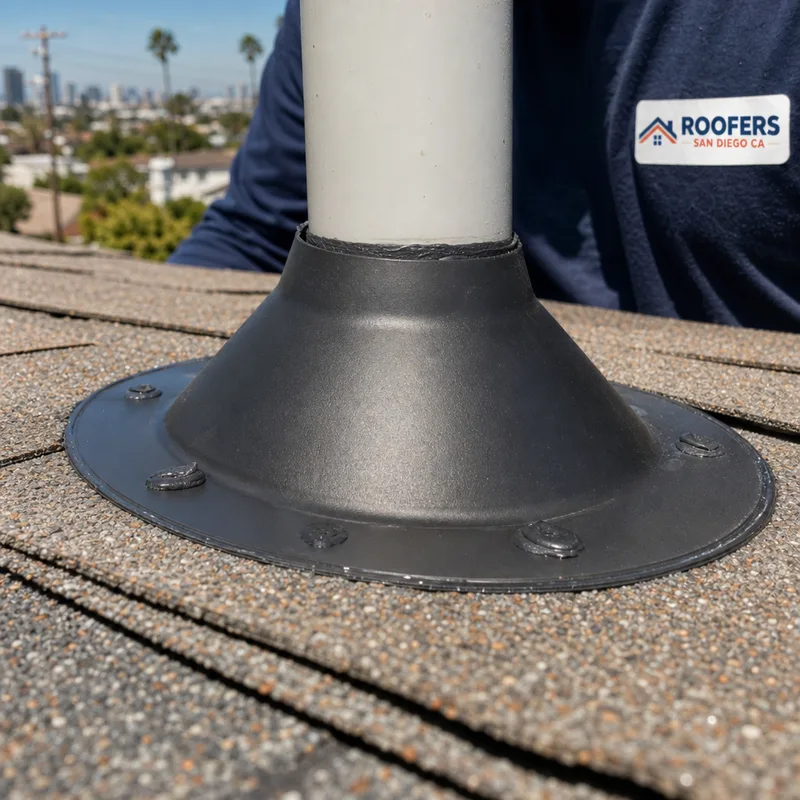
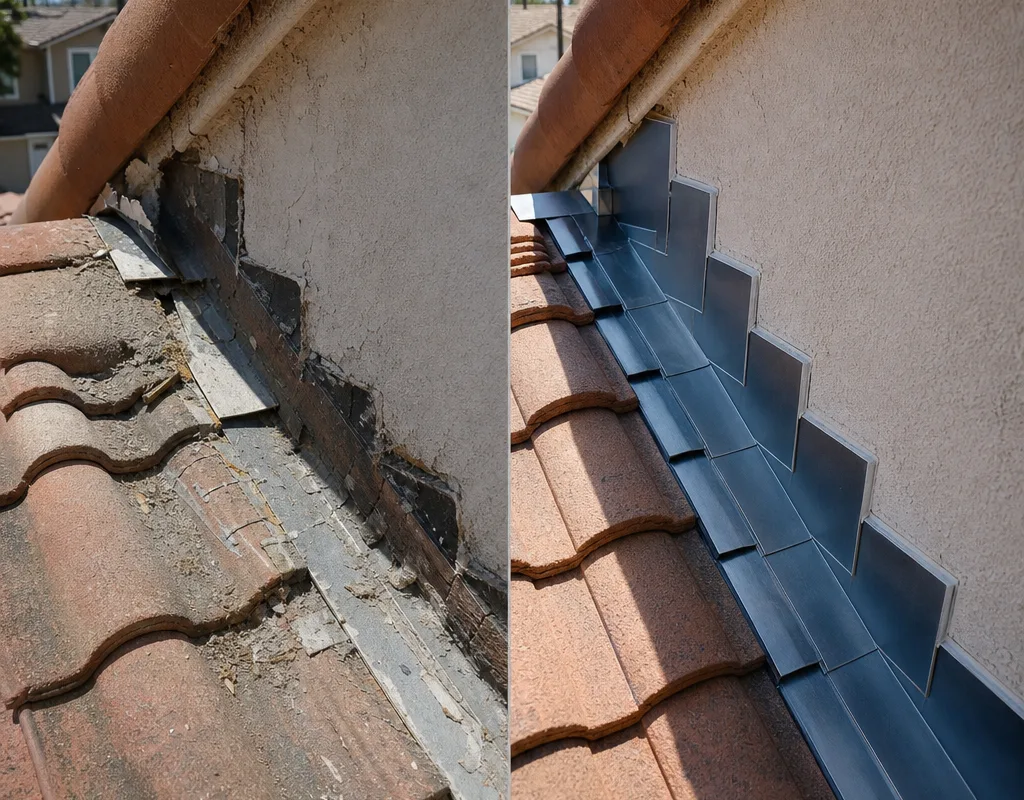
Many leak calls trace back to the same areas: pipe boots and vent flashings, chimney and wall step flashing, skylight curbs, valley transitions, cracked or slipped tiles or shingles, and low-slope penetrations. We inspect those details first, then confirm what is wet in the attic or ceiling so the repair targets the source.
Repair standards
We start with the most likely entry points, then verify with roof-surface clues and interior evidence such as staining patterns and attic moisture.
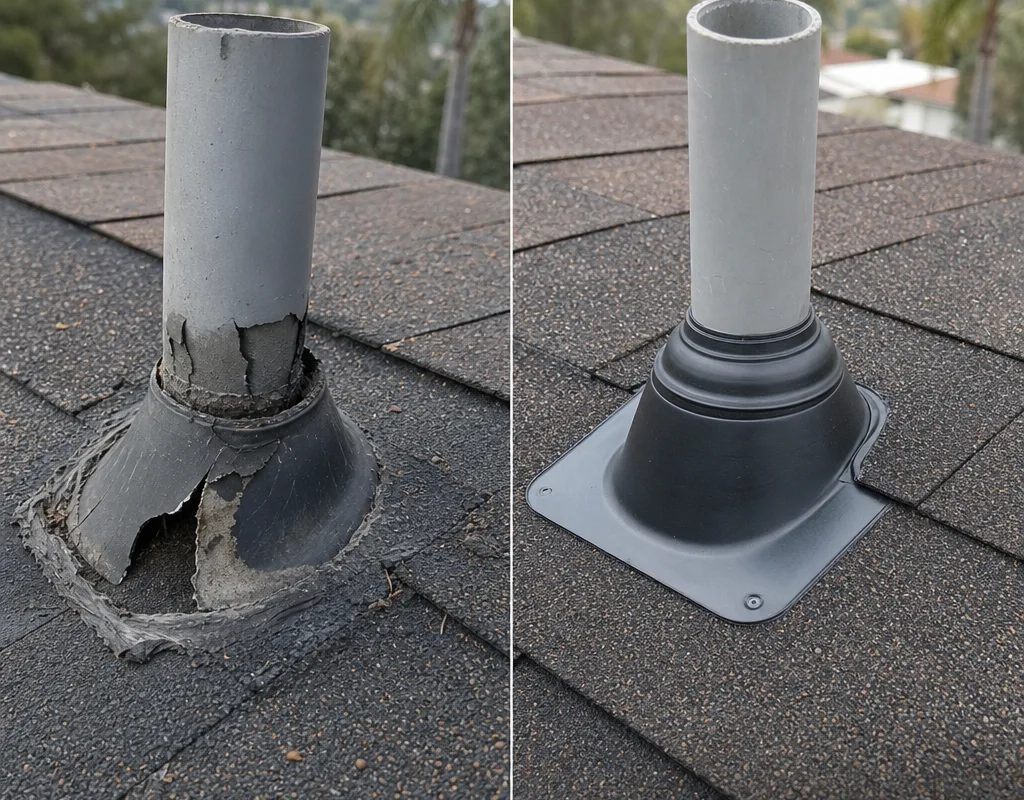
Most failures happen at transitions and penetrations. We repair or replace the flashing, boots, appropriate sealants, and damaged roof covering that actually keep water out.
You get a written description of what is being repaired and why, with photos when conditions allow, so you can track the work over time.
If the roof has widespread wear, we explain what repairs can realistically do and what signs mean you are approaching the end of service life.
We protect landscaping where practical, keep the work area tidy, and use magnets and visual sweeps to reduce stray fasteners around driveways and walkways.
Steep driveways, limited parking, and tight side yards are common in San Diego. We plan staging so the repair can be completed safely and efficiently.
Repair details
The roof repairs homeowners request most often fall into a few categories. The right repair depends on the roof type and what failed.
If you also need help choosing a contractor for the broader roof scope, rooferssandiegoca.com shares what to look for in licensing, scope, and inspection notes before you approve work.
Inspection to documentation
01
We check the leak-prone details first—flashings, penetrations, valleys, and transitions—and then confirm interior evidence in the attic or ceiling when accessible.
02
We explain what failed, what we recommend, and any alternatives that change longevity or cost, such as replacing a boot versus temporary re-sealing where appropriate.
03
We remove compromised materials, repair decking only if needed in the repair area, integrate new flashing and underlayment correctly, and replace the roof covering to match as closely as possible.
04
We clean up debris, perform a final visual check of the repair area, and provide photos and notes so you have a record for your home file.
Planning your repair
Local roof repair typically runs about $350 to $1,500 for small fixes, such as replacing a pipe boot, repairing flashing, or swapping a limited number of shingles. More involved leak repairs with multiple components, steep access, or low-slope patching often land around $1,500 to $4,000+.
Your final price depends on roof type, pitch and access, how much material must be removed to reach the failure, whether decking is damaged in the repair area, and how many penetrations or transitions are involved. Exact pricing is confirmed after an on-roof inspection and a written scope.
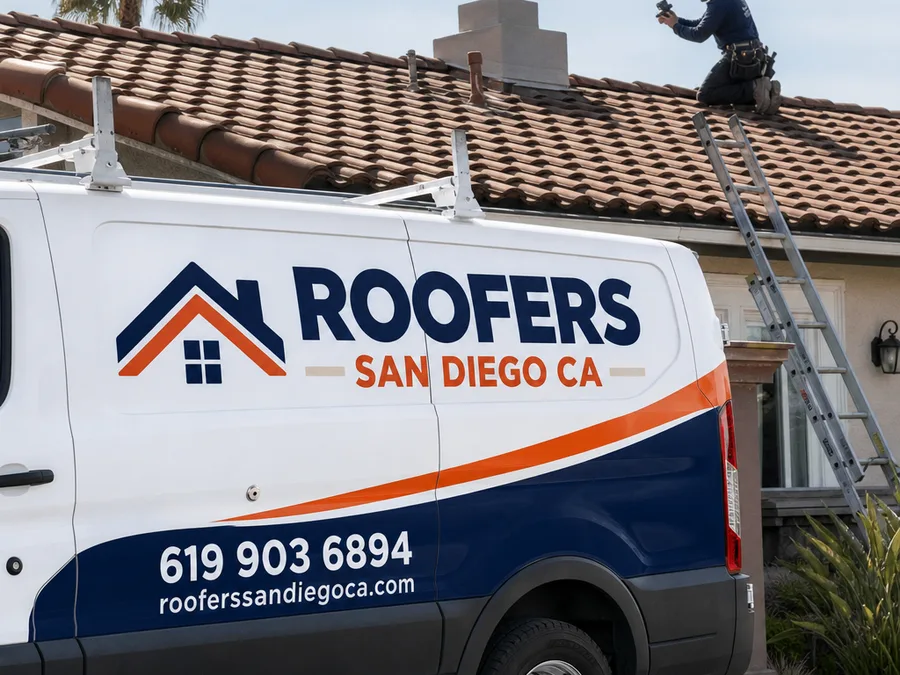
Completed repair details
Common questions
Scheduling depends on weather and current demand, but many repair requests can be assessed quickly because leak work is time-sensitive. If you have active dripping, recent wind damage, or a growing ceiling stain, share that up front so the inspection can be prioritized and a temporary stabilization plan considered if needed.
Yes. Most customers only see the interior symptom, not the entry point, so we inspect commonly failed roof details and cross-check them against the stain location and attic conditions when accessible. The goal is to repair the source and surrounding materials compromised by water intrusion.
A repair can often match closely, but exact matches are not always possible when the original product is discontinued or the roof has faded from UV exposure. We focus on watertightness first, then select the closest available color and profile and avoid obvious patch lines when feasible.
Common issues include lifted or torn shingles, displaced ridge or hip caps, and failures at flashing points such as pipe boots and wall transitions. A durable repair usually includes correct fastening and sealing plus corrected flashing integration—not just added surface sealant.
Yes. The written scope describes what will be replaced, how flashing and underlayment will be tied in, and what area of the roof is included so you can make an informed decision and compare proposals accurately.
A repair is often worthwhile when the issue is localized and the surrounding roof still has usable life. If multiple areas are brittle, granule loss is widespread, or leaks recur in different locations, we explain what repairs can reasonably accomplish and when repeated repairs may stop being cost-effective.
Schedule an inspection
Tell us what you are seeing—leak location, how long it has been happening, and any recent wind or rain. We will schedule an inspection, explain the cause, and provide a written repair plan that protects your home.