Active leak or interior staining
If you see a ceiling stain, dripping, or bubbling paint, an inspection helps trace likely entry points and separate roof leaks from plumbing or condensation issues.
Serving San Diego, California & surrounding areas
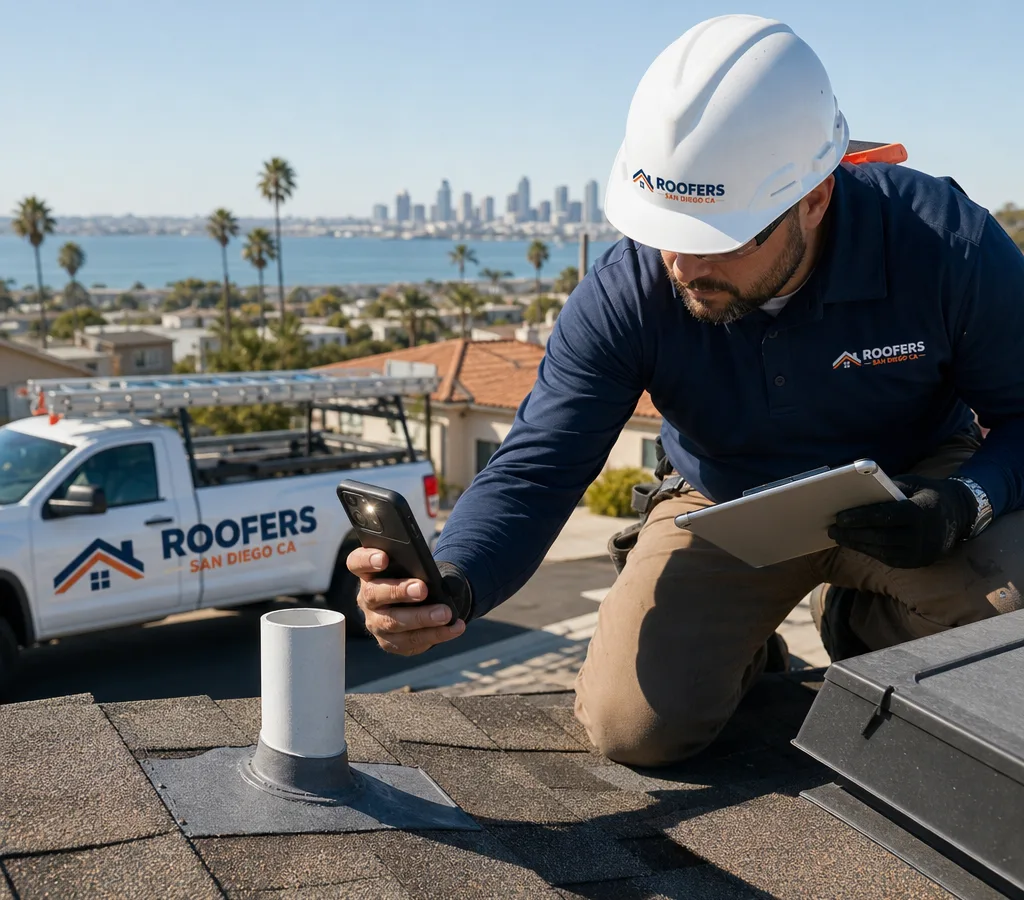
Photo-documented findings
Get a clear, photo-documented assessment of your roof's condition, the likely sources of leaks, and what to fix first. We deliver straightforward findings you can use for planning repairs, buying or selling, or peace of mind after a storm.
Clear findings and priorities
A good roof inspection has a simple goal: you leave knowing what is happening on the roof, what is likely to happen next, and what actions make sense.
A useful San Diego roof inspection goes beyond a quick walk and a guess. It should identify the roof system type—whether asphalt shingle, tile, flat or low-slope membrane, or modified bitumen—document wear and damage, and connect symptoms inside the home such as stains, musty odor, or bubbling paint to likely entry points outside.
In San Diego, roofs take a unique mix of stress: strong sun and heat cycles that dry and crack sealants, coastal salt air that accelerates corrosion on exposed metal, and occasional wind-driven rain that finds weak points fast. Your inspection should focus on the details that actually leak: flashing transitions, penetrations, edges, and drainage.
Our San Diego roofing contractors perform roof inspections that property owners use to make decisions. You get a written summary, photos, and repair-ready recommendations that prioritize safety and water tightness first.
Inspection details
A thorough roof inspection checks the whole water-shedding system, not just the surface.
We look for cracked, slipped, or missing materials; exposed fasteners; granule loss on shingles; broken tile corners; punctures; and patching that is no longer watertight.
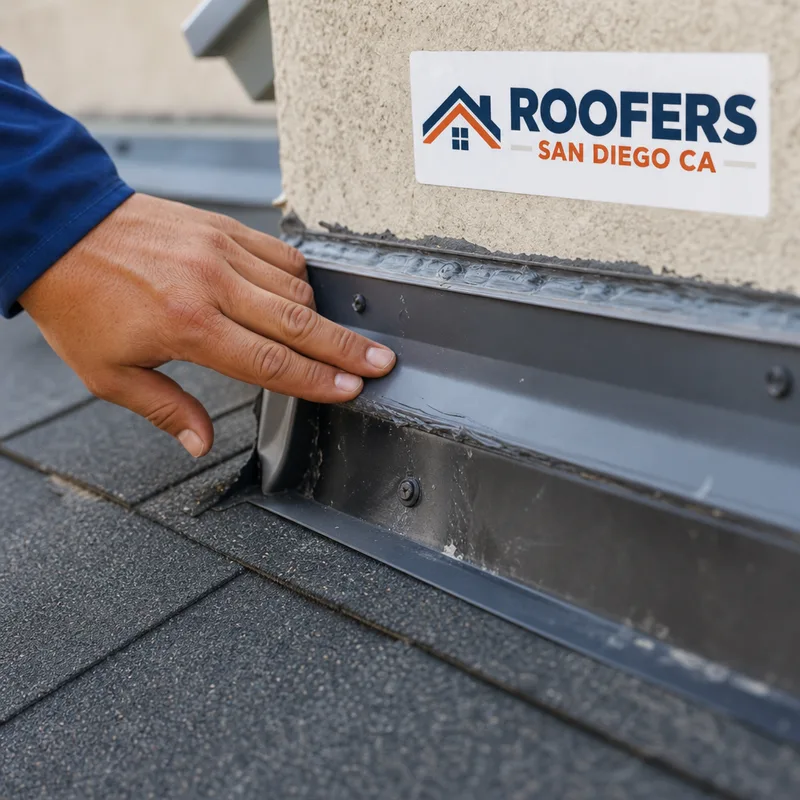
Most leaks start where the roof changes planes or meets something else. We closely inspect step and headwall flashing, chimney flashing when present, valley metal, skylight curbs, and areas where sealant is the primary defense.
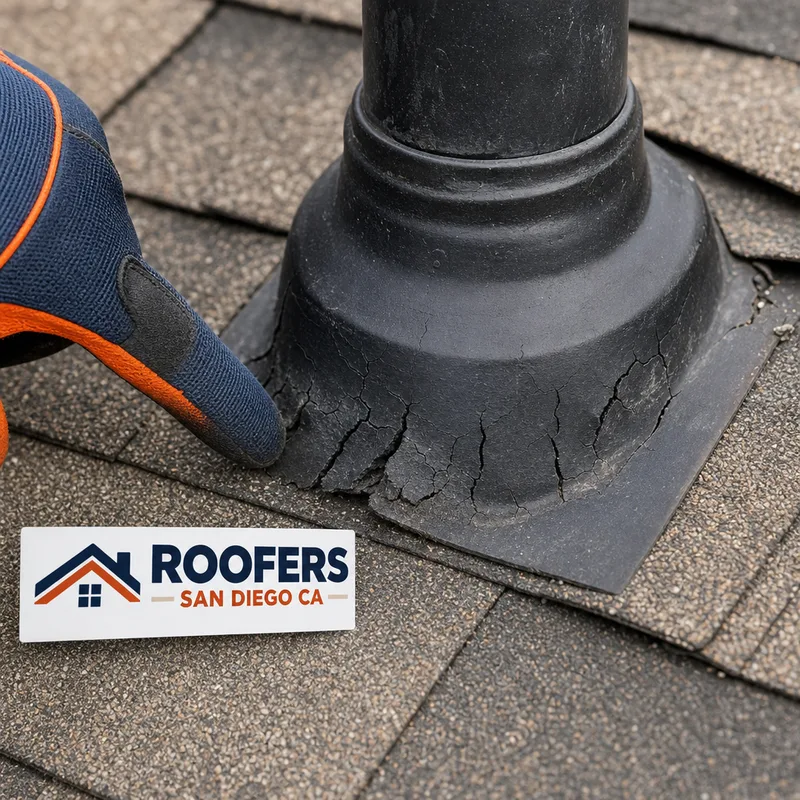
Plumbing vent boots, attic vents, exhaust terminations, solar mounts, and satellite mounts are frequent entry points. We check for cracked boots, loose collars, base gaps, and failed sealant.
Drip edge, fascia condition, scuppers, downspouts, and gutter slope matter. Poor drainage shortens roof life and can create ponding on low-slope roofs.
We cannot see every concealed layer without intrusive testing, but we look for sagging, soft spots, lifted edges, and fastener patterns suggesting deck issues or previous repairs.
When safe attic access is available, we check for staining, daylight at penetrations, wet insulation, and ventilation issues that can drive heat buildup and moisture problems.
Reasons to inspect
If you see a ceiling stain, dripping, or bubbling paint, an inspection helps trace likely entry points and separate roof leaks from plumbing or condensation issues.
A roof inspection provides documentation for negotiations and helps you plan next steps without relying on guesswork from a quick showing.
San Diego storms can push water uphill at edges and around penetrations. Post-storm checks catch lifted materials and compromised flashing early.
If a repair didn't solve the problem, an independent inspection can verify whether the source was correctly identified and whether details were completed properly.
Mounting systems depend on sound roofing and correct flashing. Inspecting first helps avoid trapping problems under new hardware.
Inspection process
01
We start by asking what you're seeing—the leak location, timing, and previous repairs—and what you need the report for, such as repairs, a purchase decision, or documentation.
02
We inspect roof surfaces, flashings, penetrations, edges, drainage, and visible prior repair areas. We photograph problem areas and key reference points.
03
When safe access exists, we look for staining, wet insulation, ventilation concerns, and signs that point to the leak path.
04
You receive a clear summary of what we found, what needs attention now versus later, and practical options. If repairs are needed, we can outline a scope you can act on.
Inspection pricing
A roof inspection typically ranges from about $150 to $450, depending on roof size, height and pitch, material type—tile and low-slope details often take longer—and how much documentation you need. A basic visual inspection is usually on the lower end, while a more detailed inspection with extensive photos and multiple roof areas trends higher.
Price also changes with access, the number of penetrations such as solar, skylights, and vents, and whether an attic or interior review is possible. The exact cost is confirmed once we understand the property layout and the purpose of the inspection.
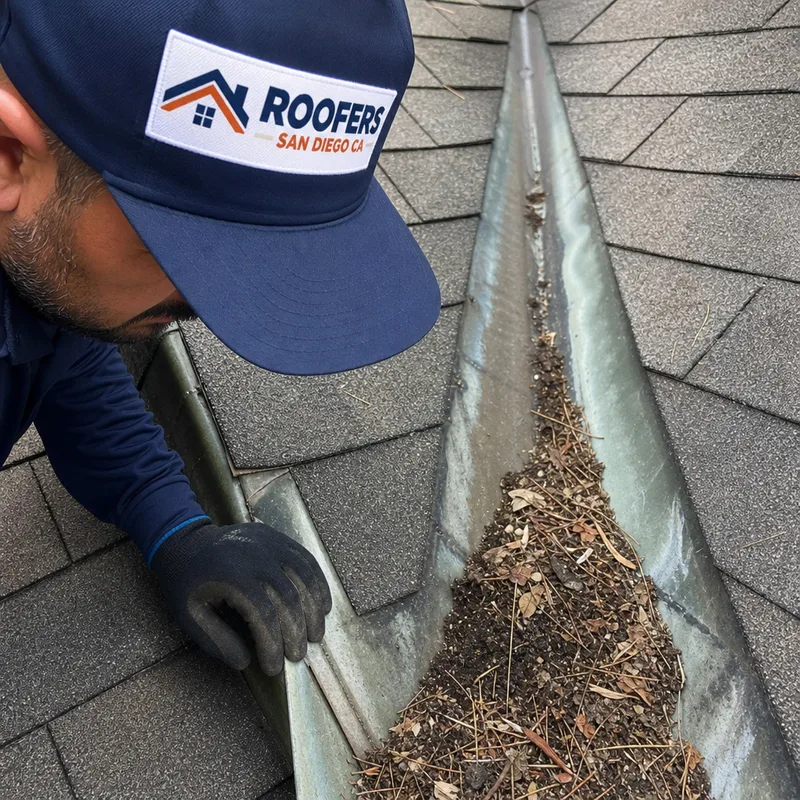
Inspection documentation
Common questions
We only walk on tile when it's safe and appropriate, because concrete and clay tile can crack under foot traffic. When conditions don't allow safe walking, we inspect from the safest practical positions and focus on flashings, penetrations, edges, and visible displacement or breakage.
Most roof inspections take about 45 to 120 minutes depending on roof size, number of levels, material type, and whether there is accessible attic space. More complex roofs with multiple sections, solar equipment, or detailed leak tracing can take longer.
A roof inspection can estimate remaining serviceability based on observed wear, installation details, and current vulnerabilities, but it cannot guarantee a specific remaining lifespan. UV exposure and heat cycling can accelerate aging, so condition and detailing often matter more than calendar age.
You'll receive a written summary with photos that documents key findings, likely leak points when applicable, and prioritized recommendations. If repairs are needed, we can outline a repair-ready scope so you can move forward with clear next steps.
Yes, and the inspection focus is a bit different on low-slope systems. We look closely at ponding indicators, seam and termination integrity, parapet and edge metal, scuppers and drains, and areas where coating or patching has been used as the primary waterproofing layer.
Yes. A pre-solar inspection checks the roof covering, underlayment indicators, and flashing details that mounting hardware depends on. The goal is to confirm the roof is in good shape before new penetrations or attachments are added.
Schedule an inspection
Tell us what you're seeing and what the inspection is for, and we'll schedule a time to document the roof's condition with photos and practical recommendations for your local property.