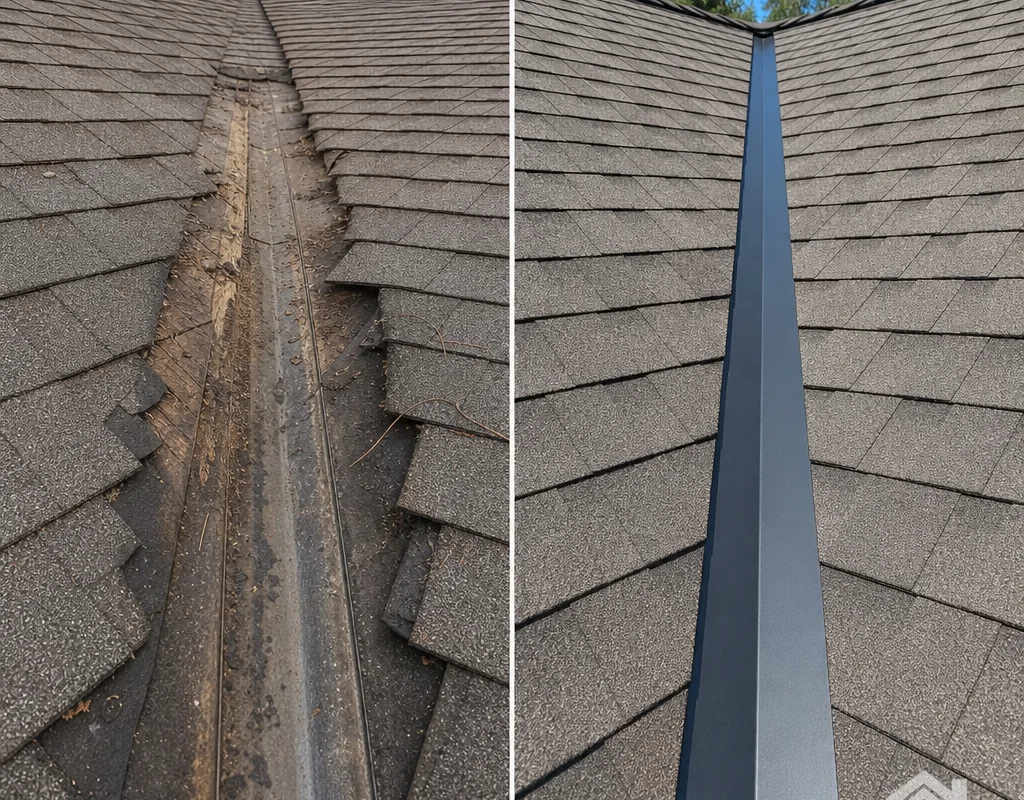
Real leak diagnosis
We trace water entry points at flashings, transitions, and penetrations instead of guessing based on interior stains.
Serving San Diego, California & surrounding areas
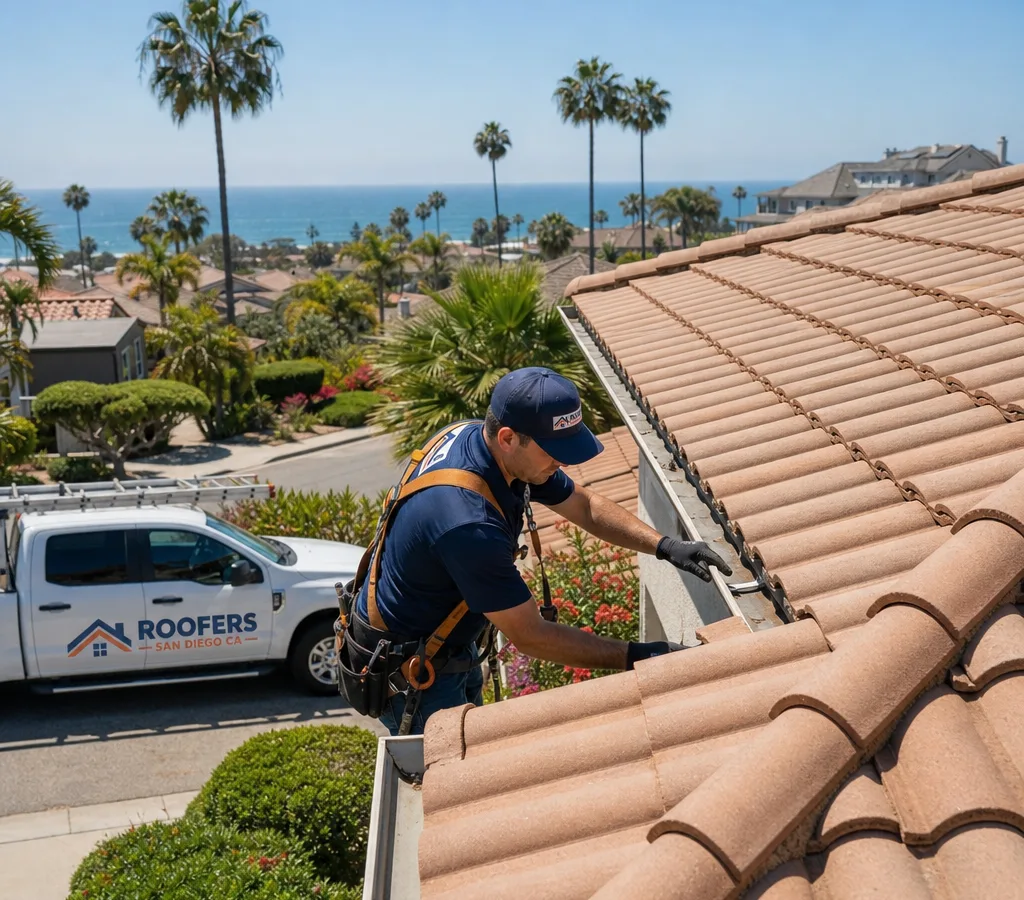
Clay and concrete tile
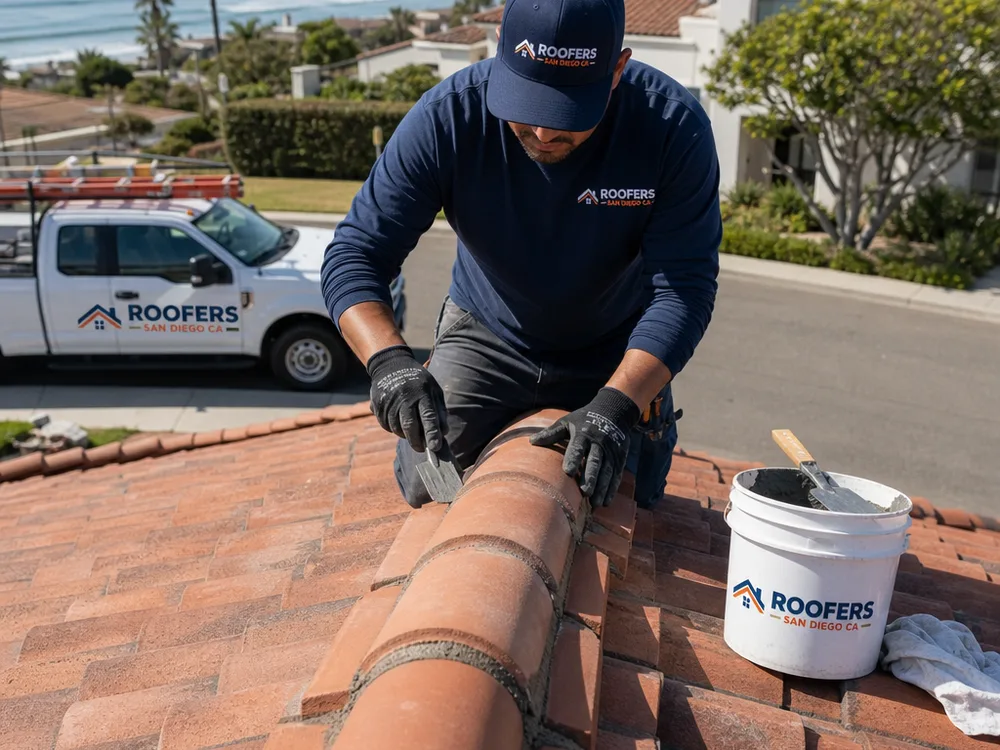
Clay and concrete tile roofing work done with careful matching, clean details at hips and ridges, and a clear plan for repairs or replacement after a real roof walk.
Tile roofing fundamentals
If you searched for roof tile San Diego, you are probably dealing with one of three problems: broken or slipped tiles after wind, chronic leaks around flashings, or an older tile roof where underlayment has reached the end of its life. Tile is a durable roof covering, but the system only stays watertight when the details are right. The tiles shed water. The underlayment, flashings, and penetrations actually keep the structure dry.
At Roofers San Diego CA, we work on roofing tiles throughout San Diego, including clay and concrete profiles. That includes finding the true leak source—often not where the stain appears—replacing damaged tiles without cracking neighbors, reworking failed flashings, and planning partial or full replacement when the underlayment is tired. If you are also comparing contractors beyond tile, start with what you need from Roofers San Diego CA: a written scope, clear exclusions, and a plan for matching materials before any tear-off begins.
Clay tile repair
Clay tile roofs can last a long time, but repairs get tricky when the profile or color has weathered for years. A good tile repair is less about swapping a single piece and more about not creating new breakage or pathways for water.
What we do on clay tile projects:
If the tiles are generally in good shape but leaks persist, the culprit is often the waterproofing layer beneath. In that case, we talk through whether a targeted repair makes sense or whether the roof is telling you it is time to plan a more comprehensive approach.
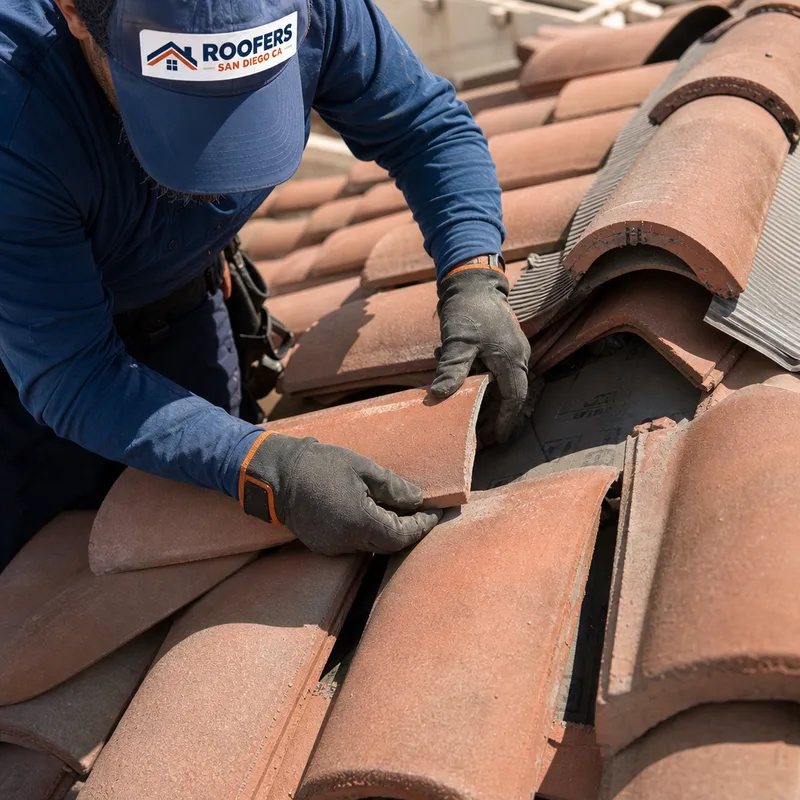
Tile roofing workmanship
We trace water entry points at flashings, transitions, and penetrations instead of guessing based on interior stains.
Tile breaks easily under point loads. We move across the roof with the right steps and staging to reduce collateral cracking.
Before repairs begin, we confirm profile fit and a reasonable color match strategy so patches do not look random.
Many tile leaks come down to metalwork. We focus on valleys, sidewalls, skylights, chimneys, and pipe penetrations.
Tile fragments and fasteners end up in landscaping if cleanup is sloppy. We protect the area and magnet-sweep where needed.
Concrete tile assessment
Concrete tile is heavy, stable, and widely used across San Diego. It also has its own failure patterns. You might see chipped leading edges, hairline cracking, slipped tiles from broken fasteners, or leaks that show up after a few seasons because the underlayment has aged out.
We approach concrete roof tile work by separating cosmetic damage from functional risk. A few chipped tiles on a field can be a monitoring item, while cracked tiles along a valley or near a penetration can become an active leak quickly. We also look for:
Sometimes the best fix is a tile repair with selective replacement. Other times, the tiles are fine but the underlayment is not, and it is smarter to plan a reset with new waterproofing rather than chasing recurring leaks tile by tile.
Inspection to cleanup
01
We inspect the tile field, ridges and hips, valleys, and all penetrations, then document what we see so recommendations are tied to specific conditions.
02
You get a written scope that clarifies what is being repaired, what is being replaced, and what conditions could change the plan once areas are opened.
03
For roofing tiles, availability and matching can drive scheduling. We confirm tile profile and quantities before work starts.
04
We replace damaged tiles, address ridge and hip caps as needed, and rebuild failing flashings at the real leak points, not just the symptom area.
05
We verify tile seating and alignment, check transitions, and leave the property clean of fragments and job debris.
Planning your tile project
Most roof tile work typically falls in the $350 to $1,500 range for small repairs and troubleshooting, while larger tile repair scopes—multiple broken areas, ridge or hip work, or valley rebuilds—often run $1,500 to $6,000+. A full tile roof replacement or a tile reset with new underlayment commonly starts around $14,000 and can reach $40,000+ depending on roof size, height, complexity, and tile type.
Your final price depends on access and pitch, how many tiles break during safe removal, underlayment condition, flashing complexity, and how hard the tile match is. Exact costs are confirmed after an on-roof inspection and a written scope.
Common questions
In many cases we can replace only the broken tiles, as long as surrounding tiles, underlayment, and flashings are still doing their job. If tiles are breaking because the roof is shifting, fasteners are failing, or the underlayment is brittle, a broader repair—or a tile reset with new underlayment—is usually the more reliable fix.
Tile is a water-shedding surface, so leaks usually come from the waterproofing system beneath or the metalwork at transitions. In practice, the most common leak sources are valleys, sidewall flashing, chimney and skylight flashing, and penetrations like plumbing vents where seals and flashings age faster than the tile itself.
Yes. Clay and concrete tiles behave differently, but both can be repaired and maintained with the right handling, matching, and flashing work. We confirm the exact profile and exposure before ordering or staging materials so replacements fit correctly and do not create gaps.
Many tile repairs can be completed in a single day once materials are ready, but matching tiles and scheduling can add time. Larger scopes such as ridge or hip cap resets, valley rebuilds, or leak work that requires opening sections of roof typically take 2 to 5 days depending on access and the number of areas involved.
A good match often blends well, but perfect color matching is not always possible on older roofs because sun and weather change the tile surface over time. We set expectations up front, and when needed we can spread matching tiles strategically instead of clustering them so the result looks more uniform from the street.
Have any leak history—when it happens and which rooms show staining—and any prior repair notes if you have them. We will still do an on-roof inspection, but those details help us focus on likely entry points like valleys, penetrations, and roof-to-wall transitions where tile systems most often fail.
Schedule a tile inspection
Tell us what you are seeing—leak, broken tiles, slipped tiles, or aging underlayment—and we will confirm the cause, outline repair options, and provide a written scope for your local roof.